Breweries That Distill: How Many in Georgia Make Their Own Spirits?
Table of Contents
- The Rise of Hybrid Brewery and Distillery Business Models
- How Many Georgia Breweries Are Also Distilleries?
- Craft Spirits Production Regulations in Georgia
- Real Examples: Breweries Making Their Own Spirits
- Why Breweries Are Diversifying Into Distilling
- The Regulatory Hurdles of Operating as Both Brewery and Distillery
- Conclusion
- Frequently Asked Questions
Last Updated: August 31, 2026
The Rise of Hybrid Brewery and Distillery Business Models
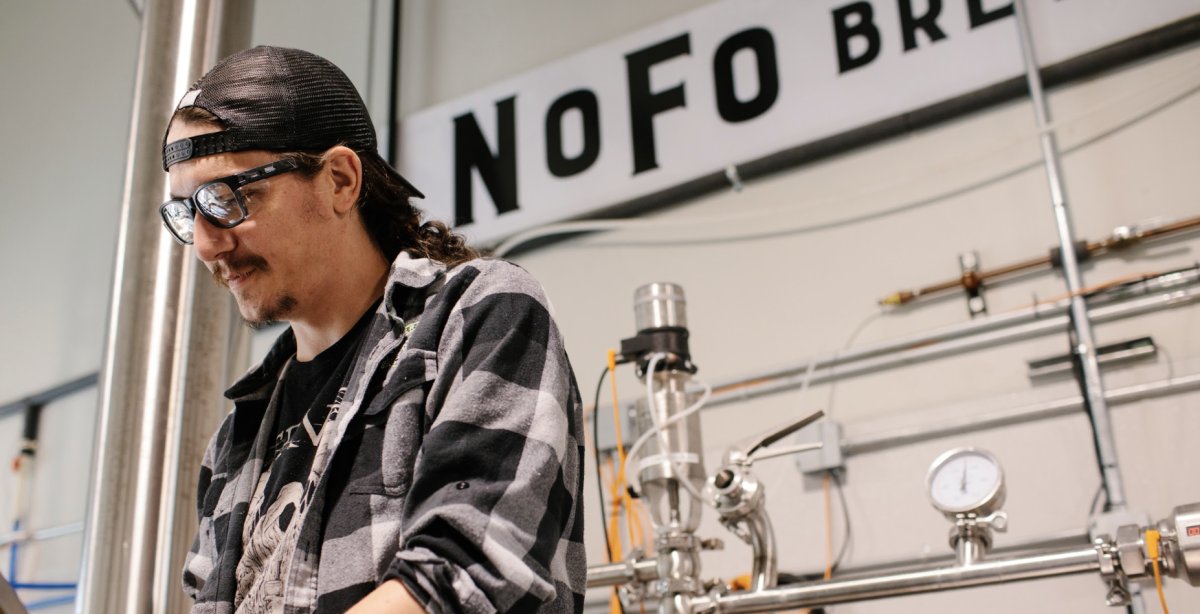
The craft beverage industry is undergoing a fundamental shift. Breweries that distill their own spirits alongside beer production are becoming the norm, not the exception. This hybrid model isn’t just a trend, it’s a survival strategy in a competitive market.
According to Georgia’s Alcoholic Beverage Industry 2025 Outlook from the University of Georgia’s College of Agricultural and Environmental Sciences, distilleries saw the highest 5-year growth rate among all alcoholic beverage sectors, averaging 6% year over year. Meanwhile, the overall U.S. beer market shrank 5% by volume in 2023, with craft brewer sales volume declining by 1%. That contradiction tells the real story: beer alone isn’t enough anymore.
The most successful craft beverage producers in 2026 are those who recognize that diversification into spirits represents both a defensive move and a genuine opportunity. Spirits consumption has grown while beer consumption has plateaued. For breweries, adding distilled spirits production means tapping into a faster-growing market segment without abandoning their core beer business.
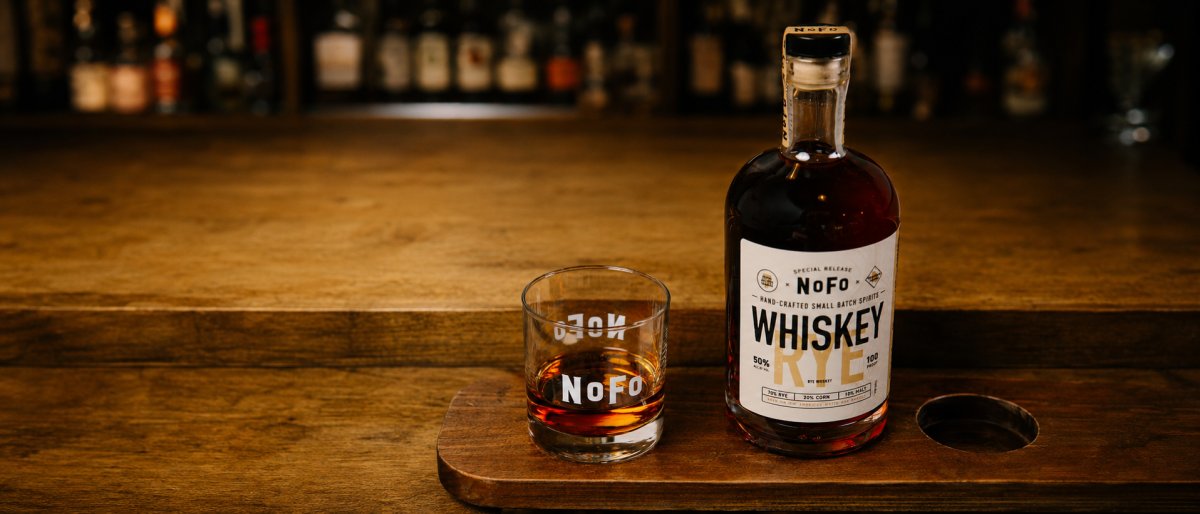
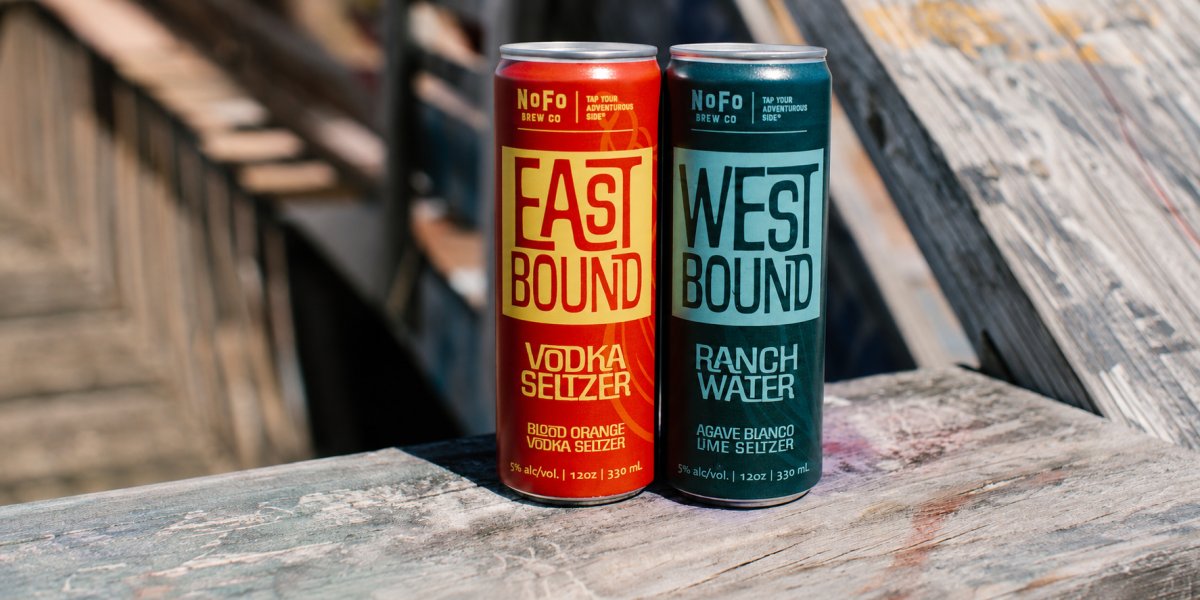
At NoFo, this strategy has proven transformative. The company expanded from a brewery into a full distillery operation, introducing in-house products like bourbon, agave spirit, vodka, gin, and specialty spirits. The results speak for themselves: NoFo’s agave spirit and another spirit have received medal recognition.
From the beginning, NoFo has been about creating a welcoming “third place” where people can gather, celebrate, share stories, and build meaningful connections within their community. That philosophy extends to their product portfolio, offering both craft beer and craft spirits gives customers more reasons to visit and more reasons to stay.
How Many Georgia Breweries Are Also Distilleries?
The exact number of breweries that distill their own spirits in Georgia is difficult to pin down because most industry databases track these operations separately. However, the data paints a clear picture of the trend’s scale.
According to Georgia’s Alcoholic Beverage Industry 2025 Outlook, as of 2023, Georgia had 181 craft brewers and 57 craft distilleries. These numbers count licensed facilities, not hybrid operations. Many breweries have added distilling capabilities without appearing in both categories simultaneously.
The trend is unmistakable: between 2011 and 2025, the number of craft distilleries in Georgia increased from three to 57, according to Georgia Municipal Association’s analysis of the state’s alcohol market. That’s a 1,800% increase in just 14 years. Meanwhile, breweries, at the time of this article, have decreased in the state of Georgia for various reasons.
Real examples illustrate how common this hybrid model has become. Wild Leap Brew Co transformed an old service station into a combined brewery and distillery, offering both craft beer and spirits like vodka. The Lost Druid Brewery & Distillery operates as a “brewstillery,” offering beer alongside spirits like apple and peach brandy made from local North Georgia fruit. NoFo itself expanded from a single Cumming brewery location to three taprooms across North Georgia, all producing both beer and spirits in-house.
The actual count of breweries that distill remains elusive because regulatory licensing doesn’t require a single “hybrid” designation. A brewery might hold a brewery license and a separate distillery license, making them appear as two separate entities in official records. What matters is the operational reality: more breweries are investing in distilling infrastructure every year.
Craft Spirits Production Regulations in Georgia
Operating as both a brewery and distillery requires navigating two separate regulatory frameworks. Understanding these regulations is essential for any brewery considering diversification into spirits.
Direct-to-Consumer Sales Limits for Breweries and Distilleries
The direct-to-consumer sales limits differ significantly between beer and spirits, directly impacting a brewery’s ability to monetize through their taproom.
Breweries can directly sell up to 3,000 barrels of beer per year to customers, according to Georgia’s Senate Bill 85 from the Georgia Department of Revenue. Since a barrel equals 31 gallons, that translates to 93,000 gallons annually.
Distilleries face tighter restrictions: they can directly sell up to 500 barrels of distilled spirits per year to customers. A barrel of spirits measures 53 gallons, so that’s 26,500 gallons annually. The disparity reflects federal and state policy favoring beer over spirits, but it also means distilleries must rely more heavily on wholesale distribution partnerships to scale revenue.
For hybrid operations, these limits create a balancing act. A brewery-distillery can sell up to 3,000 barrels of beer and 500 barrels of spirits annually through direct channels, making wholesale relationships critical for spirits growth.
Manufacturing Licenses and Facility Requirements
Georgia distinguishes between brewery and distillery licenses, and operating both requires separate manufacturing authorizations.
A brewery manufacturing license allows production and sale of malt beverages. A distillery manufacturing license covers distilled spirits production. These aren’t interchangeable, a brewery license doesn’t grant distilling rights, and vice versa.
Facility requirements vary by license type. Breweries need fermentation capacity, cooling systems, and quality control labs. Distilleries require copper stills, aging barrels or tanks, and specialized safety equipment. For a hybrid operation, this means investing in two distinct production systems within the same facility or across multiple locations.
Zoning ordinances add another layer of complexity. Not all commercial zones permit both brewing and distilling. Some municipalities restrict distillery operations more heavily due to safety concerns. This is why many hybrid operations in Georgia strategically locate across multiple taproom sites.
Real Examples: Breweries Making Their Own Spirits
Three established hybrid operations demonstrate how breweries successfully integrate distilling into their business model.
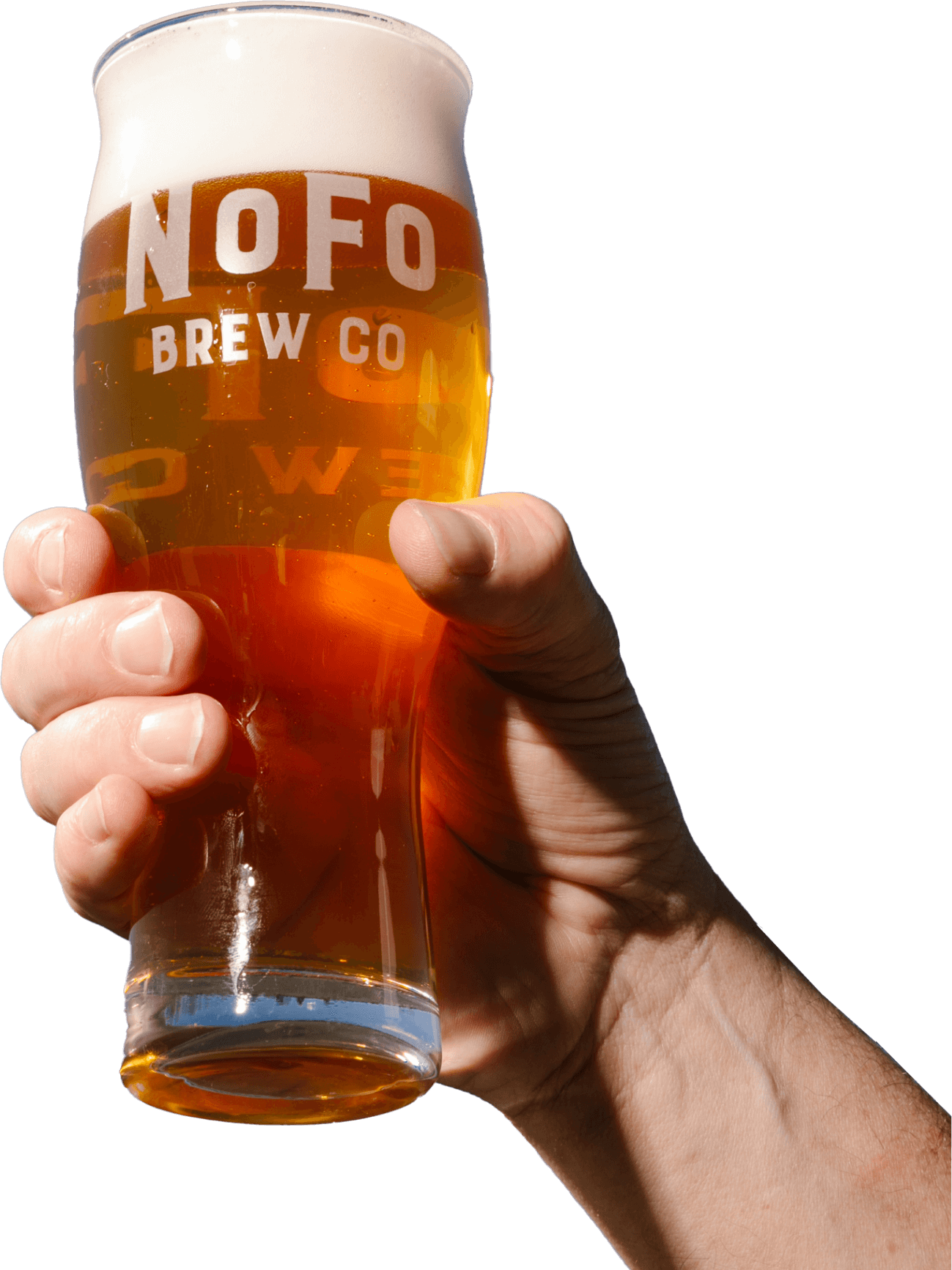
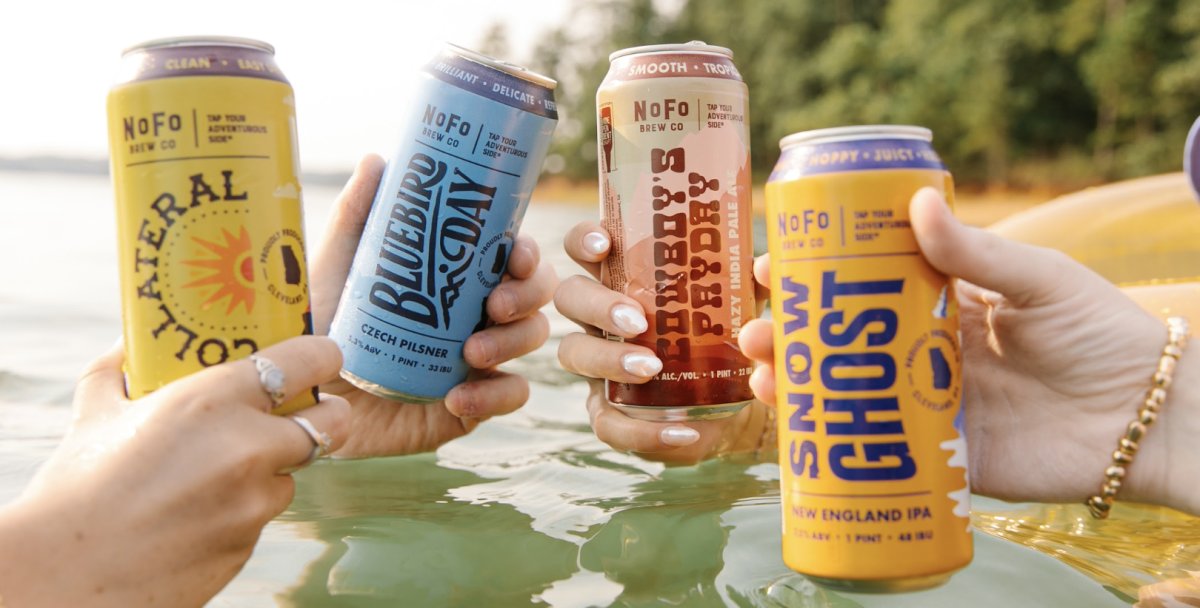
NoFo represents a comprehensive hybrid model in Georgia. The company started as a brewery in Cumming in 2019, then expanded into distilling, now producing bourbon, agave spirit, vodka, gin, and specialty spirits alongside their core beers like Cowboy’s Payday, Snow Ghost, Bluebird Day, and Collateral. The Cumming location opened in September 2019, followed by Gainesville in August 2023 and Cleveland in June 2023. What makes NoFo’s approach distinctive is the integration: the same taprooms serve both beer and spirits, the same team manages both production systems, and the same membership program gives customers access to exclusive releases across both categories.
Wild Leap Brew Co transformed an old service station into a combined brewery and distillery, producing craft beer across multiple locations while also crafting spirits like vodka. This separation of production sites allows them to optimize each facility for its primary purpose while maintaining the hybrid identity.
The Lost Druid Brewery & Distillery focuses on regional sourcing and community connection. Operating as a brewstillery in North Georgia, they produce apple and peach brandy from local fruit alongside their beer selection. This approach ties their spirits directly to their geographic identity.
These three examples share a common thread: each brewery added distilling as an extension of their existing brand and taproom experience, with spirits complementing rather than replacing beer.
Why Breweries Are Diversifying Into Distilling
The shift toward hybrid operations is driven by clear market forces and business logic.
First, the beer market is contracting. The overall U.S. beer market shrank 5% by volume in 2023, with craft brewer sales volume declining by 1%. For breweries, growth through expansion is harder than it used to be. Adding spirits opens a new revenue stream without requiring market share gains in a saturated beer category.
Second, spirits consumption is growing. Distilleries saw the highest 5-year growth rate among all alcoholic beverage sectors, averaging 6% year over year. This growth rate far outpaces beer’s decline, making spirits an attractive diversification target.
Third, margins and pricing power differ between beer and spirits. Craft beer competes heavily on price. Spirits, particularly small-batch and premium offerings, command higher price points and stronger margins. A brewery selling beer at competitive prices can sell craft bourbon at premium price points with less price sensitivity.
Fourth, taproom economics improve with a broader product portfolio. Customers who come for beer might buy spirits. Customers who come for spirits might try the beer. This cross-selling opportunity increases average transaction value and customer lifetime value.
Fifth, agritourism and experience-based revenue grow when you offer more reasons to visit. Offering both beer and spirits tastings creates a richer experience, justifies longer visits, and supports higher-margin food and merchandise sales.
Finally, competitive differentiation matters in a crowded market. Adding spirits production signals sophistication and craft commitment, positioning a brewery as more than a one-dimensional beer producer.
The Regulatory Hurdles of Operating as Both Brewery and Distillery
Running a hybrid brewery-distillery operation introduces regulatory complexity that single-category producers don’t face.
Dual Licensing Requirements
Operating legally as both a brewery and distillery requires separate manufacturing licenses from the Georgia Department of Revenue. This isn’t a single application, it’s two distinct licensing processes, each with its own requirements, fees, and renewal schedules.
Production Tracking and Reporting
Breweries track output in barrels of malt beverages. Distilleries track output in barrels of distilled spirits. Both must report to state authorities, and the reporting timelines and formats differ. Hybrid operations need systems that track both categories independently while maintaining unified business accounting.
Facility Separation Requirements
Some jurisdictions require physical separation between brewing and distilling operations, or at minimum, separate production areas with distinct equipment. This forces many hybrid operators to either locate across multiple sites or invest in facility upgrades to meet distillery-specific requirements.
Zoning and Local Ordinances
Local governments often impose stricter regulations on distilleries than breweries. Distilleries face additional scrutiny around safety, noise, and environmental impact. A brewery location might not qualify for distillery operations under the same zoning.
Wholesale vs. Direct Sales Complexity
Breweries and distilleries operate under different wholesale distribution rules. A brewery can sell directly to consumers up to 3,000 barrels annually. A distillery can sell directly up to 500 barrels annually. Managing two different direct-sales caps while navigating wholesale distribution channels requires sophisticated compliance tracking.
Tax and Excise Obligations
Federal and state excise taxes on beer and spirits differ significantly. Hybrid operations must track and pay taxes on both product categories separately, adding complexity to accounting and financial planning.
|
Regulatory Area |
Brewery Requirements |
Distillery Requirements |
Hybrid Impact |
|---|---|---|---|
|
Manufacturing License |
One brewery license |
One distillery license |
Two separate licenses required |
|
Direct-to-Consumer Sales Cap |
3,000 barrels/year |
500 barrels/year |
Both limits apply independently |
|
Production Tracking |
Barrels of malt beverage |
Barrels of distilled spirit |
Dual reporting systems needed |
|
Facility Separation |
Minimal requirements |
Often required |
May need multiple locations |
|
Zoning Approval |
Moderate restrictions |
Stricter restrictions |
More complex site selection |
|
Excise Taxes |
Federal beer tax |
Federal spirits tax |
Separate tax calculations |
Conclusion
The number of breweries in Georgia that also distill their own spirits isn’t captured in a single statistic, but the trend is undeniable. From three distilleries in 2011 to 57 by 2025, the craft spirits sector has exploded. Many of those distilleries started as breweries, and many breweries continue adding distilling capabilities.
This hybrid model works because it addresses the reality of today’s craft beverage market: beer growth has stalled, spirits are growing, and customers want more from their favorite brands. Breweries that successfully integrate distilling gain competitive advantage, higher margins, and stronger customer retention. The regulatory complexity is real, but it’s a solvable problem for operations with the right infrastructure and compliance systems.
If you’re looking to experience what a fully integrated brewery-distillery can offer, NoFo Brew Co demonstrates the model at scale across three North Georgia locations. With medal recognition for two of its spirits, alongside core craft beers like Cowboy’s Payday and Snow Ghost, NoFo shows how a brewery can successfully diversify into distilling while maintaining the community focus that defines the brand. Visit NoFo Brew Co to taste both categories in one of their taprooms, it’s the best way to understand why more breweries are making this strategic shift.
Frequently Asked Questions
Q: Can a brewery legally distill spirits on the same premises?
A: Yes, a brewery can legally distill spirits on the same premises in Georgia, but it requires separate manufacturing licenses from the Georgia Department of Revenue. The facility must comply with distinct regulatory requirements for each operation, including separate fermentation and distillation equipment, proper zoning approval, and adherence to both beer and spirits production standards. Many successful operations like NoFo Brew Co operate both under the same roof by maintaining compliance with all applicable state and local regulations.
Q: What is the difference between a brewpub and a distillery?
A: A brewpub is a restaurant or bar that brews beer on-site and sells it directly to customers for on-premise consumption. A distillery produces distilled spirits (like bourbon, vodka, or gin) and typically operates under different licensing and production regulations. A hybrid brewery and distillery business model combines beer production with spirit distillation, requiring dual licensing and separate manufacturing facilities or clearly delineated production areas within a single space.
Q: How many breweries in Georgia make their own spirits?
A: While no single comprehensive registry exists, industry data shows Georgia has approximately 170 breweries with active licenses and over 120 licensed distillers and bottlers as of 2023. However, the exact number of breweries that also operate as distilleries making their own product is not definitively documented. Notable examples include NoFo Brew Co, Wild Leap Brew Co, and The Lost Druid Brewery & Distillery, which operate as combined brewery-distillery facilities. This dual-operation model is growing as breweries diversify to remain competitive.
Q: Why are breweries adding distillery operations?
A: Breweries are diversifying into spirits production as a survival strategy. The overall U.S. beer market shrank 5% by volume in 2023, while craft beer sales volume declined by 1%. Distilleries, by contrast, saw the highest 5-year growth rate among alcoholic beverage sectors, averaging 6% year over year. By adding distillery operations, breweries can reach new customer segments, increase on-premise revenue through tasting rooms, and build resilience against market downturns in beer alone.