What Are Agave Spirits? Beyond Tequila Explained
Table of Contents
- What Are Agave Spirits? The Definition Beyond Tequila
- Tequila’s Denomination of Origin: Why Geography Matters
- Tequila vs. Mezcal: The Core Differences in Production and Flavor
- Lesser-Known Agave Spirits: Raicilla, Bacanora, and Sotol
- TTB Regulations for Agave Spirits: What US Importers Must Follow
- Choosing and Using Agave Spirits: Production Methods and Flavor Profiles
- Sustainability and the Future of Agave Spirits
- Conclusion
Last Updated: August 8, 2026
What Are Agave Spirits? The Definition Beyond Tequila
Agave spirits are distilled beverages made from fermented agave plant juice, but not all agave spirits are tequila. This distinction matters because tequila dominates marketing and shelf space, leading people to assume every agave-based spirit falls under that umbrella. It doesn’t.
An agave spirit is any distilled drink produced from agave plants grown and processed in Mexico. Tequila is one specific type of agave spirit, but only if it meets strict geographic and production requirements. Think of it like champagne: you can make sparkling wine anywhere, but only sparkling wine from the Champagne region of France gets that name. The same logic applies here.
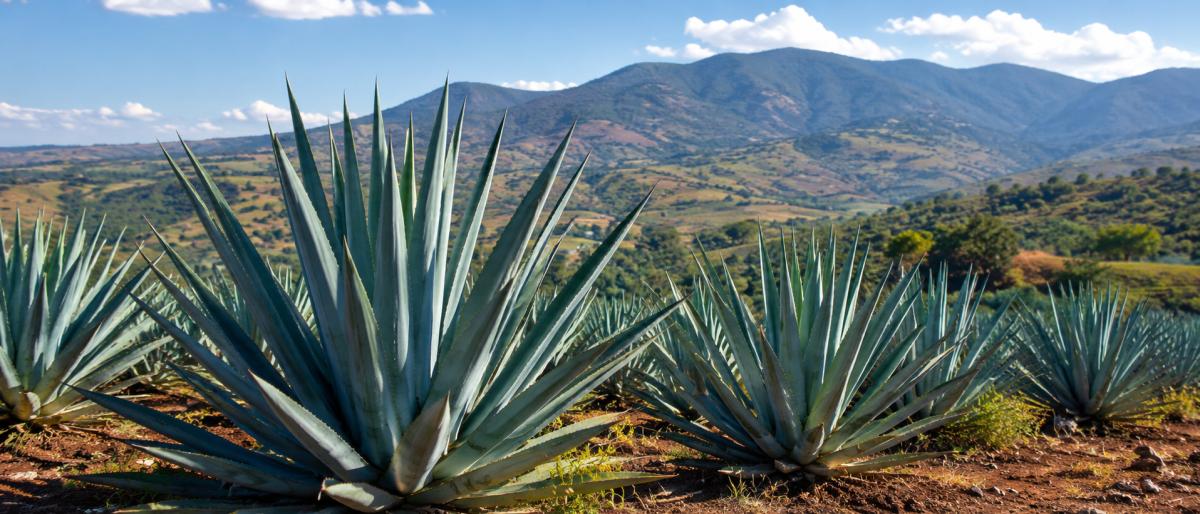
The agave plant is a succulent with thick, sword-like leaves that store sugars for 7-10 years before maturity. When ready, producers harvest the piña (heart), which weighs 40-90 pounds and contains fermentable sugars. Production methods, aging requirements, and geographic origin determine what you can legally call the final product.
At NoFo, we’ve explored agave spirits as part of our craft distillery operations, and the legal nuances around naming reveal why the category matters.
Tequila’s Denomination of Origin: Why Geography Matters
Tequila has a Denominación de Origen (DO) designation, a protected geographic indication established by Mexican law and recognized internationally. Tequila can only be produced in specific regions of Mexico, primarily Jalisco, but also in designated areas of Nayarit, Tamaulipas, Durango, and Guanajuato.
Jalisco produces roughly 80% of the world’s tequila. The volcanic soil, altitude, and climate create ideal conditions for Blue Weber Agave cultivation, developing the chemical profile that gives tequila its characteristic flavor. When producers source agave from outside these designated regions and label the product as tequila, they’re breaking Mexican law and U.S. import regulations.
The Tequila Regulatory Council (Consejo Regulador del Tequila, or CRT) enforces these standards. Every legitimate tequila bottle carries a NOM number (Norma Oficial Mexicana), which identifies the distillery and certifies compliance. If you see a bottle labeled “tequila” without a NOM number, it’s either counterfeit or mislabeled.
The Jalisco Rule and Why Mislabeling Happens
Some breweries and distilleries outside Mexico, including operations in the United States, produce agave spirits and illegally label them as tequila. A brewery in California, Texas, or Georgia that makes an agave spirit cannot call it tequila. The product must be labeled as an agave spirit, mezcal (if it meets mezcal standards), or another legitimate category.
This happens because tequila has brand recognition and premium positioning. A bottle labeled “tequila” commands higher prices than one labeled “agave spirit.” The TTB (Alcohol and Tobacco Tax and Trade Bureau) enforces these rules at import and sale, but enforcement gaps exist for smaller producers.
Tequila vs. Mezcal: The Core Differences in Production and Flavor
Mezcal and tequila are both agave spirits but diverge significantly in production, flavor, and legal definition. All tequila is mezcal by chemistry, but not all mezcal can be called tequila because of geographic and regulatory restrictions.
Tequila must be made from Blue Weber Agave in designated DO regions. Production typically involves cooking the piña in industrial ovens, fermenting with commercial yeast, and distilling in copper pot stills. The result is a cleaner spirit with citrus, vanilla, and caramel notes.
Mezcal can be made from 30+ agave varieties across a broader geographic area. The ancestral method involves roasting the piña in underground pits, which imparts a distinctive smoky character. After roasting, the agave is crushed, fermented with wild yeast, and distilled in small copper or clay vessels.
The flavor difference is profound. Tequila tends toward smoothness and approachability, ideal for margaritas. Mezcal carries complexity: smoke, earth, floral undertones, and mineral qualities from the agave variety and production method.
Mezcal has gained traction among spirit enthusiasts over the past decade. Producers experiment with ancestral methods, creating limited releases that showcase specific agave varieties and regional characteristics. The craft spirits movement has elevated mezcal from a regional drink to a category worth exploring.
Lesser-Known Agave Spirits: Raicilla, Bacanora, and Sotol
Beyond tequila and mezcal, Mexico produces several other agave spirits with protected designations and production traditions. These are less common in U.S. markets but worth seeking out.
Raicilla is produced in Jalisco, in regions adjacent to the tequila DO area. Made from high-elevation agave plants using ancestral methods, underground roasting, natural fermentation, and small-still distillation, it’s lighter and more delicate than mezcal, with floral and fruity notes. Nearly extinct by the 1990s, Raicilla has experienced a revival as craft producers rediscovered it.
Bacanora comes from Sonora and is made from Agave Angustifolia Pacifica. The production process resembles mezcal, but bacanora tends to be lighter and more herbaceous. Commercial production resumed in the 1990s after the DO was established. Finding Bacanora in the U.S. is challenging but possible through specialty retailers.
Sotol is technically not an agave spirit, it’s made from Dasylirion, a plant in the same family. Produced in Chihuahua, Coahuila, and Durango, it has a dry, mineral character with herbal notes. Like Raicilla and Bacanora, Sotol is rare in mainstream U.S. distribution.
These spirits represent regional production traditions, specific agave varieties, and artisanal methods that might otherwise disappear. Supporting these producers means preserving traditional distillation knowledge and regional biodiversity.
TTB Regulations for Agave Spirits: What U.S. Importers Must Follow
The U.S. Alcohol and Tobacco Tax and Trade Bureau (TTB) enforces federal regulations on all spirits imported into the country. For agave spirits, this means verifying geographic origin, production methods, and labeling accuracy.
For tequila, the TTB requires “Product of Mexico” labeling and compliance with Tequila Regulatory Council standards. The NOM number must appear on the bottle. For mezcal, the TTB requires “Product of Mexico” labeling and recognition of the mezcal DO. For raicilla, bacanora, and sotol, the TTB requires accurate geographic origin labeling and compliance with Mexican DO standards.
The key principle: the TTB verifies that imported products meet Mexican regulatory standards and that labeling is accurate. If a bottle claims to be tequila but lacks a NOM number or doesn’t originate from the DO region, the TTB can refuse entry or require relabeling.
Choosing and Using Agave Spirits: Production Methods and Flavor Profiles
Understanding production methods helps you choose the right agave spirit for your palate. The roasting method, fermentation approach, and distillation vessel all shape the final flavor.
Industrial vs. Artisanal Production: Most tequila uses industrial methods, mechanical cooking in large autoclaves, commercial yeast fermentation, and continuous distillation. Artisanal tequila uses smaller batches, traditional roasting in brick ovens, natural yeast fermentation, and copper pot still distillation, resulting in more complex spirits.
Mezcal production is more likely to be artisanal. A mezcalero using underground pit roasting, natural fermentation, and small-batch distillation creates a product reflecting the agave variety, roasting wood, and regional climate.
Aging Classifications:
- Joven (Blanco): Unaged or aged less than 2 months. Clear, bright, agave-forward flavors.
- Reposado: Aged 2-12 months in wood. Develops vanilla, caramel, and oak notes.
- Añejo: Aged 1-3 years in wood. Deeper color, richer flavors, smoother mouthfeel.
- Extra Añejo: Aged over 3 years. Premium expressions.
For tequila, joven works well in cocktails. Reposado and Añejo are better sipped neat. For mezcal, the smoky character persists through aging, so even a reposado mezcal retains its distinctive profile.
Flavor Profiles by Agave Variety:
- Blue Weber Agave (Tequila): Citrus, vanilla, caramel, peppery finish
- Espadin Agave (Mezcal): Smoke, earth, fruit, herbal complexity
- Tobaziche Agave (Mezcal): Smoke, mineral, floral undertones
- Tepeztate Agave (Mezcal): Smoke, spice, intense and bold
- Agave angustifolia (Bacanora): Herbaceous, light smoke, mineral
Sustainability and the Future of Agave Spirits
The agave spirits industry faces a sustainability challenge. Agave plants take 7-10 years to mature, and demand for tequila has exploded over the past two decades, creating pressure to plant more agave in unsuitable regions and harvest plants before optimal maturity.
Overplanting can deplete soil and water resources. Monoculture agave farming reduces biodiversity and makes plants vulnerable to disease. In 2016-2017, a fungal disease called Fusarium damaged significant portions of the Blue Weber Agave crop. Producers responded by diversifying agave sources and improving agricultural practices, but vulnerability remains.
Some producers invest in sustainable practices: crop rotation, water conservation, soil management, and support for wild agave populations. These efforts increase costs but ensure long-term viability. The future of agave spirits depends on supporting smaller producers and regional varieties that preserve traditional knowledge and regional biodiversity.
From the beginning, NoFo has been about creating a welcoming “third place” where people can gather, celebrate, share stories, and build meaningful connections within their community. That philosophy extends to how we source and produce spirits. When we craft agave spirits as part of our distillery operations, we’re thinking about the story behind each bottle, where the agave came from, how it was grown, and what traditions shaped its production.
The distinction between tequila and agave spirits matters because it reflects legal standards, production traditions, and regional identity. Tequila is a specific, protected product from Mexico’s designated regions. Agave spirits encompass a broader category that includes tequila, mezcal, raicilla, bacanora, sotol, and other regional expressions.
When exploring agave spirits, start with a quality tequila to understand the category, then a mezcal to experience how production methods change flavor. From there, seek out raicilla or bacanora if you can find them. Each spirit tells a story about its region, agave variety, and the producer’s approach.
| Spirit | Primary Agave | Geographic Origin | Key Flavor Notes | Best Served |
|---|---|---|---|---|
| Tequila | Blue Weber | Jalisco, Nayarit, Tamaulipas, Durango, Guanajuato | Citrus, vanilla, caramel | Cocktails or neat |
| Mezcal | Espadin, Tobaziche, Tepeztate | Oaxaca and other regions | Smoke, earth, floral | Neat or with single ice cube |
| Raicilla | Agave maximiliana | Jalisco (higher elevations) | Floral, fruity, light smoke | Neat or with water |
| Bacanora | Agave angustifolia | Sonora | Herbaceous, light smoke, mineral | Neat or with lime |
| Sotol | Dasylirion (not agave) | Chihuahua, Coahuila, Durango | Dry, mineral, herbal | Neat or on rocks |
Frequently Asked Questions
Is agave spirit the same as tequila?
No. Agave spirits is the umbrella category that includes tequila, mezcal, raicilla, bacanora, and sotol. Tequila is one type of agave spirit, but only spirits made in Jalisco, Mexico (and specific surrounding regions) can legally be called tequila. Any agave spirit made outside that Denomination of Origin must be labeled as agave spirit or its specific regional name, even if the production method is identical.
Why can’t all agave-based spirits be called tequila?
Tequila has a protected Denomination of Origin (DO) established by Mexican law and recognized internationally. Only spirits distilled in Jalisco and certain municipalities in neighboring states can carry the tequila name. This protection works the same way champagne can only come from France’s Champagne region. A distillery outside Jalisco making an identical product must call it agave spirit. The TTB enforces this rule in the US to prevent mislabeling.
What makes mezcal different from tequila?
Mezcal uses various agave species (not just Blue Weber), is typically roasted in underground pits (giving it a smoky character), and comes from a broader geographic region in Mexico. Tequila uses primarily Blue Weber agave, employs modern industrial distillation, and has stricter production standards. While all tequila is technically mezcal, not all mezcal is tequila. Mezcal often has more complex, artisanal production methods and more pronounced smoky and floral notes.
Are there agave spirits besides tequila and mezcal?
Yes. Raicilla (from Jalisco), bacanora (from Sonora), and sotol (from Chihuahua and other northern states) are distinct agave spirits with their own regional identities and production traditions. Each has unique flavor profiles: raicilla tends to be lighter and more herbal, bacanora is often smoky and robust, and sotol comes from a different plant species (Dasylirion) and has earthy, mineral notes. These spirits are becoming more available in US craft bars and specialty retailers.