A Newbie’s Guide to Low ABV Craft Beer – Explore Without the Hangover
Table of Contents
- What Low-ABV Craft Beer Actually Is
- Session Beer Definition and Why It Matters
- Best Low-ABV Craft Beer Styles Worth Trying
- How to Start Drinking Craft Beer as a Newcomer (AKA Newbie)
- The Social Side: Enjoying the Night Without the Hangover
- Low-ABV vs. Non-Alcoholic: What’s the Real Difference?
- Why Low-ABV Craft Beer Is the Smart Choice for Your Lifestyle
- Conclusion
Last Updated: August 8, 2026
What Low-ABV Craft Beer Actually Is
Low-ABV craft beer sits between full-strength craft beer and non-alcoholic alternatives. The term low-ABV craft beer refers to craft beverages with alcohol content typically between 2.5% and 4.5% ABV (alcohol by volume), though some breweries vary depending on style. What makes this category interesting isn’t just the lower alcohol, it’s what brewers accomplish within those constraints.
The craft beer world has spent the last decade chasing bigger, bolder flavors: imperial stouts, double IPAs, barrel-aged everything. Low-ABV flips that script. It asks: what if we could deliver real flavor, complexity, and drinkability without the heaviness or hangover? NoFo Brew Co (NoFo) explores this territory with beers like Bluebird Day, a Czech-style pilsner that proves lower alcohol doesn’t mean lower satisfaction.
These beers are engineered differently. Brewers use specific yeast strains, adjust fermentation temperatures, and select hops and malts strategically to pack flavor into a lighter package. You get the sensory experience of craft beer, complexity, aroma, mouthfeel, without the alcohol load that makes you sluggish after a few rounds.
For newer craft beer drinkers, this removes a major barrier. You can explore craft beer flavors at a natural pace, have multiple styles in an evening without traditional beer crawl consequences, and stay engaged with the night instead of checking out early.
Session Beer Definition and Why It Matters
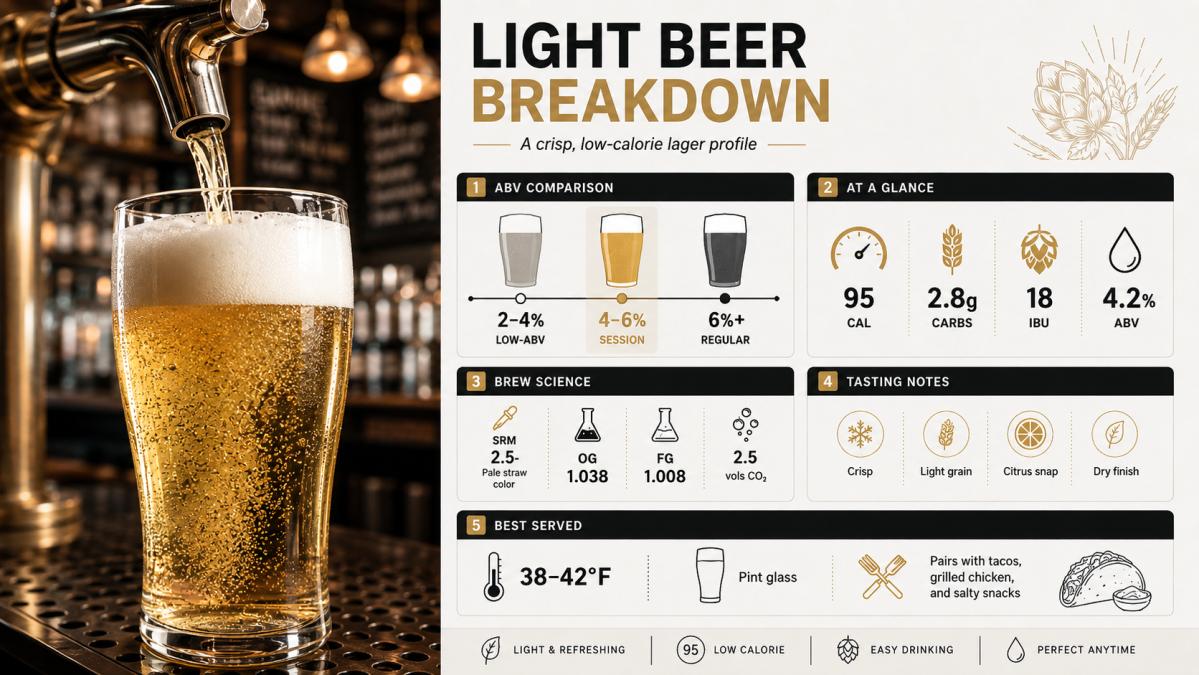
Session beer is a specific subcategory within the low-ABV world. A session beer is defined by drinkability, it’s a beer you can sit with for hours without becoming intoxicated or fatigued. Typically, session beers clock in at 4.5% ABV or lower, though the real definition is behavioral, not numerical.
The term comes from the British pub tradition: a “session” meant an evening of drinking where people stayed relatively sober and alert. A session beer was what you ordered for that kind of night. The Brewers Association formalized this as a category.
Why does this matter? Session beer definition shapes how you approach craft beer exploration. A traditional IPA at 6.5% ABV might be delicious, but after two or three, you’re feeling it. A session IPA at 4% ABV lets you taste three or four different styles in one evening and still drive home, remember the conversation, and feel good the next morning.
Session beers also change the social dynamic. You’re not racing to finish before effects hit. You’re sipping, comparing, talking. For someone new to craft beer, this removes performance anxiety. You’re exploring, not proving something.
From the beginning, NoFo has been about creating a welcoming “third place” where people can gather, celebrate, share stories, and build meaningful connections within their community. That ethos extends to how they brew, beers that let you be present for the whole night.
Best Low-ABV Craft Beer Styles Worth Trying
The beauty of low-ABV craft beer is the diversity. Here are the categories worth exploring as you build your palate.
Czech-Style Pilsners
Czech pilsners sit around 4.2-4.8% ABV and deliver crisp, clean flavors with subtle complexity. The style uses Saaz hops, which give herbal, slightly spicy notes without aggressive bitterness.
For newcomers to craft beer, a Czech pilsner is often the perfect entry point. It’s not challenging or demanding. But it rewards attention: minerality, delicate floral notes, clean finish. Bluebird Day from NoFo exemplifies this, approachable for first-time craft beer drinkers, yet sophisticated enough for experienced drinkers.
Czech brewers use specific yeast strains and longer lagering periods (cold fermentation) to develop character. Lower alcohol means different technique, not less attention. This is where craft matters.
Hazy IPAs and Pale Ales
Hazy IPAs and pale ales at 4-5% ABV are where innovation is happening. These beers use the same hop varieties as higher-ABV cousins but in different quantities and at different brewing stages. The result is fruity, juicy aromatics, citrus, berries, stone fruit, without alcohol burn. The “haze” creates a creamy mouthfeel that makes the beer feel fuller than its ABV suggests.
Cowboy’s Payday from NoFo demonstrates this perfectly. You get the boldness people associate with IPAs, flavor, aroma, character, but at a sustainable level for an evening out. It’s a beer you can have two or three of without feeling wrecked.
For newer drinkers, hazy IPAs offer a gateway into hop-forward beers. The fruitiness is upfront and appealing, with bitterness balanced rather than dominant.
Mexican-Style Lagers
Mexican-style lagers sit at 4-4.5% ABV and are designed for refreshment. They’re light, crisp, slightly sweet, and incredibly drinkable. The style uses adjuncts like corn or rice alongside malted barley, creating a clean, smooth character with minimal hop presence.
Collateral, NoFo’s Mexican-style lager, fits this profile. It’s the beer you reach for when you want something easy and reliable. For craft beer explorers, Mexican-style lagers teach an important lesson: craft isn’t always about complexity. Sometimes it’s about execution. Getting a simple beer right requires skill.
How to Start Drinking Craft Beer as a Newcomer (aka Newbie) 😁
Starting with craft beer can feel intimidating. Here’s how to approach it without overthinking.
Start with what you know. If you like light, crisp drinks, begin with Czech pilsners or Mexican-style lagers. If you like fruity flavors, try hazy IPAs. Craft beer isn’t a ladder. It’s an exploration. Pick a style that sounds appealing.
Visit a taproom, don’t just buy bottles. Taprooms let you taste multiple styles in small pours before committing to a full beer. This is crucial for newer drinkers. You might discover something unexpected. NoFo’s three taprooms across North Georgia are designed for this, spaces where you can explore, ask questions, and try things without pressure.
Ask the bartender questions. Bartenders at craft taprooms genuinely want to help you find something you’ll enjoy. Tell them what you like (fruity, crisp, smooth, bold) and what you don’t. They’ll point you toward beers that fit and explain what makes them interesting.
Taste with intention. Notice the color, aroma, initial taste, how it evolves as it warms, the finish. You’re building a mental map of flavors. This is how you figure out what you actually like.
Don’t feel obligated to finish a beer you don’t like. You’re exploring, not proving anything. The goal is to find beers you enjoy.
Try the same style from different breweries. You’ll notice differences. One brewery’s hazy IPA might be more citrus-forward, another more berry-forward. These differences teach you what you prefer.
Set a sustainable pace. Low-ABV beer is designed for extended social drinking. Have one beer, talk, eat food, have another. You’re not trying to get drunk quickly. You’re enjoying an evening.

The Social Side: Enjoying the Night Without the Hangover
With traditional beer or spirits, there’s an implicit timeline: you have a few drinks, feel effects, wind down, go home. The night’s shape is dictated by alcohol. With low-ABV craft beer, the night is dictated by you. You can have four beers over three hours and still be sharp, present, and able to drive home safely.
This matters more than it might seem. Younger drinkers especially feel pressure from traditional drinking culture, an expectation that drinking means getting drunk. Low-ABV offers a third option. The goal is to enjoy good beer, good company, and an interesting night. The alcohol is incidental.
Yes, you’ll feel better the next morning after low-ABV beers than after traditional craft beers or spirits. But the bigger shift is psychological. You’re not waking up groggy and regretting decisions. You’re remembering the whole night and feeling like you made a choice that served you.
Taprooms like NoFo are built for this kind of night. They’re community spaces with good beer, food, and an atmosphere that encourages lingering. You come in, try something new, talk to people. The beer enhances the experience; it doesn’t dominate it.
With craft beer, there’s something to discuss. Why does this beer taste this way? What hops are in it? How is it different from the other hazy IPA you tried? These conversations make the night richer. You’re learning and sharing, not just drinking.
Low-ABV vs. Non-Alcoholic: What’s the Real Difference?
Low-ABV contains 2.5-4.5% alcohol. You’re drinking beer with alcohol; it’s just less than traditional beer. Non-alcoholic contains less than 0.5% ABV, technically trace alcohol, but negligible.
The sensory difference is real. Low-ABV beers have the full fermentation process, creating complexity and depth. NA beers are made differently: alcohol is removed after fermentation, or fermentation is stopped early. Both work, but result in different flavor profiles. NA beers often taste cleaner and simpler, though newer NA brewing techniques are improving this.
Low-ABV beer will have a minor effect on your system, much less than traditional beer. NA beer has virtually no effect. If you’re driving, managing a health condition, pregnant or nursing, or simply don’t want any alcohol, NA is the choice. If you want craft beer flavor and complexity with minimal alcohol, low-ABV is your category.
For newer craft beer drinkers, the choice comes down to what you’re trying to achieve. Are you exploring craft beer flavors? Low-ABV. Are you looking for a flavorful alternative to alcohol entirely? NA. Both are legitimate choices and growing categories because people want options beyond traditional drinking.
Why Low-ABV Craft Beer Is the Smart Choice for Your Lifestyle
If you’re in your twenties or early thirties, if you value health and balance, if you want to enjoy social drinking without it dominating your life, low-ABV craft beer aligns with how you actually want to live.
Traditional drinking culture assumes a binary: you either drink and get drunk, or you don’t drink. Low-ABV offers a third option. You can be social, enjoy good beer, participate in the craft beer community, and do it in a way that doesn’t compromise sleep, health, or the next day.
This isn’t about judgment. It’s about alignment. Many people want to go out, enjoy themselves, and wake up feeling good. Low-ABV craft beer is built for that person.
The craft beer industry is realizing there’s a massive market of people who want good beer without the baggage. Low-ABV is no longer niche; it’s a legitimate movement.
Visiting taprooms like NoFo’s locations in Cumming, Gainesville, and Cleveland gives you direct access to this world. You’re not ordering low-ABV as a compromise. You’re ordering it because it’s genuinely good and serves your life. You can explore Cowboy’s Payday or Bluebird Day alongside friends trying different styles, stay out longer, enjoy company more, and actually remember the night.
Frequently Asked Questions
What exactly is a low-ABV craft beer, and how is it different from regular beer?
Low-ABV craft beer contains less than 4.5% alcohol by volume, compared to standard beers at 5-6% ABV. The lower alcohol content doesn't mean less flavor—craft brewers use advanced techniques like extended fermentation and balanced malt-to-hop ratios to deliver bold, complex taste profiles. You get the full sensory experience of craft beer without the heavy buzz or next-day hangover, making it ideal for longer social nights where you want to stay sharp and engaged.
Why is low-alcohol craft beer gaining popularity among younger drinkers?
Younger drinkers are choosing low-ABV options because they align with a balanced lifestyle. You can enjoy social drinking without sacrificing the next morning—no hangover means you're not trading your night out for your productivity the next day. Low-ABV craft beers also appeal to those who want quality and flavor over quantity, and they fit the mindful consumption trend where drinkers value experience and community over intoxication. It's about making smarter choices without missing out.
What's the difference between a session beer and a low-ABV beer?
A session beer is specifically designed for extended drinking sessions—typically under 4.5% ABV with balanced flavor so you can enjoy multiple beers without getting heavily intoxicated. All session beers are low-ABV, but not all low-ABV beers are session beers. Session beers prioritize drinkability and refreshment, while some low-ABV craft beers focus on bold, complex flavors even if they're lower in alcohol. The key difference: session beers invite you to stay and enjoy the night; low-ABV beers simply have less alcohol content.
Can I actually find good-tasting low-ABV craft beers, or do they all taste watered down?
Quality low-ABV craft beers absolutely deliver on flavor. Brewers use modern fermentation techniques, balanced malt backbones, and hop-forward profiles to create complex, satisfying drinks. Czech-style pilsners, hazy pale ales, and Mexican-style lagers showcase how much flavor is possible at lower alcohol levels. The misconception that low-ABV means less taste comes from older light beers that prioritized low calories over flavor. Today's craft brewers approach low-ABV as a challenge to create something you'll actually want to drink again and again.